Adding something is still a treatment decision
A cancer diagnosis can create an urgent wish to do everything possible. Supplements may appear to offer an additional layer of control, particularly when they are described as natural or supportive. The important question, however, is not whether the intention is good. It is whether the additional product is compatible with the treatment being given.
I would make the interaction review part of care rather than a private decision made outside it. This protects the person’s ability to ask questions without being blamed for wanting options. It also protects prescribed treatment from changes in drug exposure, adverse effects or laboratory interpretation that may not be obvious from a supplement’s marketing description.
A product can affect how a medicine reaches its target
Cancer drugs must be absorbed, distributed, processed and cleared. Food components and botanical ingredients can sometimes affect those processes. The National Cancer Institute describes the relevance of drug-metabolising enzymes and transport proteins, including cytochrome P450 systems and P-glycoprotein. [1]
That does not mean every herb interacts with every cancer medicine. It means a general reassurance about natural ingredients is inadequate. The exact treatment, the exact formula and the person’s liver and kidney function can matter. A statement that two products were taken together by someone else is not a reliable assessment for another patient with a different regimen.
Antioxidants are not one interchangeable category
Antioxidants are often discussed as though more must always be better. Cancer treatment makes that assumption particularly unreliable. Some treatments involve oxidative mechanisms, and concentrated supplements may have effects that cannot be inferred from eating ordinary foods.
An observational analysis associated with the SWOG S0221 breast cancer trial examined supplement use and outcomes. Its findings raised concerns about some patterns of use, but the supplement exposure itself was not randomised. It cannot prove that a particular supplement caused a recurrence or establish the safety of an untested blend. [2]
The appropriate lesson is neither to condemn every nutrient nor to promise protection from high doses. A documented deficiency may need correction under clinical supervision. That is a different decision from taking a broad high-dose product in the hope of improving cancer control.
Make the list specific enough to be reviewed
Bring photographs of the front label and the full ingredient panel. Include the product name, amount taken, frequency, when it was started and the reason for taking it. Record teas, powders, mushrooms and traditional remedies as well as tablets. A clinician cannot assess an unnamed immune supplement reliably.
The list should include prescription medicines, non-prescription medicines and planned procedures. Timing matters: surgery, a new systemic treatment or a change in liver function may alter the decision. If the team advises pausing something, ask for a clear explanation of when it should be stopped, whether it can be restarted and who will review it. Do not invent a stop-start schedule from an online article.
Read a commercial formula as a formula
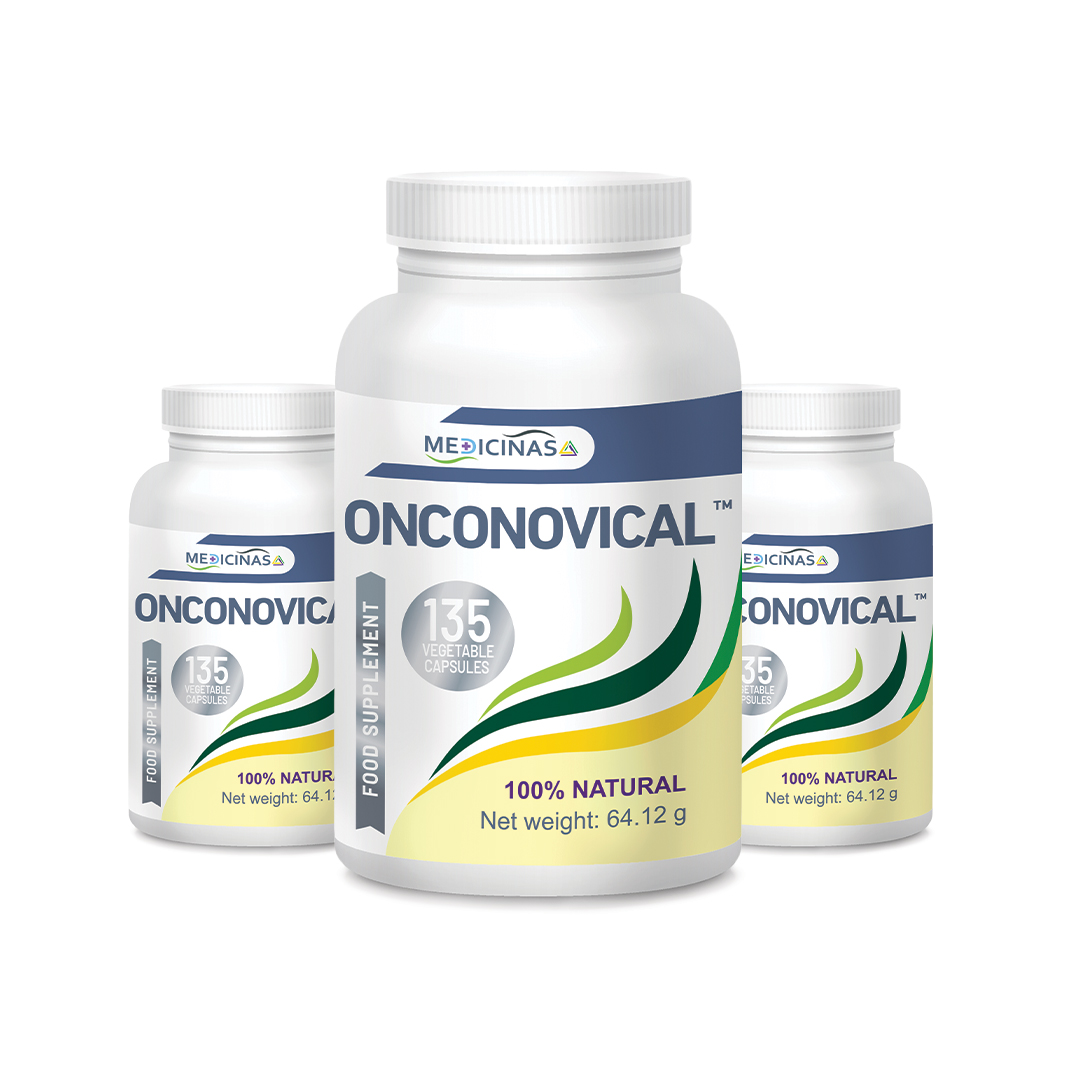
Onconovical is linked below because readers may encounter it in the Medicinas catalogue. Its official composition includes a fermented mixture with bee pollen, garlic, mistletoe, apricot kernels and pepper, together with turmeric, astragalus, barley grass, bitter cucumber, reishi, chokeberry and nopal. This ingredient list is product information, not evidence that the combined preparation treats cancer.
The label excludes pregnancy and breastfeeding and warns against use with allergy to bee products or other ingredients. It advises specialist consultation. During oncology care, that consultation should include the actual oncology medicines and the full product label. Apricot-kernel ingredients deserve explicit discussion; amygdalin or laetrile should not be treated as proven cancer therapies. A commercial reading link should never be mistaken for an instruction to start the product.
Supportive care has concrete objectives
Cancer care can include help with appetite, pain, nausea, sleep, distress and daily function. These are important goals in their own right. A useful supportive intervention should state which problem it addresses and how its effect will be assessed, rather than suggesting that feeling more hopeful proves an anticancer effect.
Avoid language that makes disease progression a consequence of negative thinking or insufficient regulation. People can engage fully with care and still have difficult outcomes. Emotional support is valuable because the person deserves support, not because they must maintain a particular mindset to earn recovery. The treatment team can help distinguish symptom support from an unsupported claim about tumour biology.
Use books as further reading, not as a substitute oncology plan
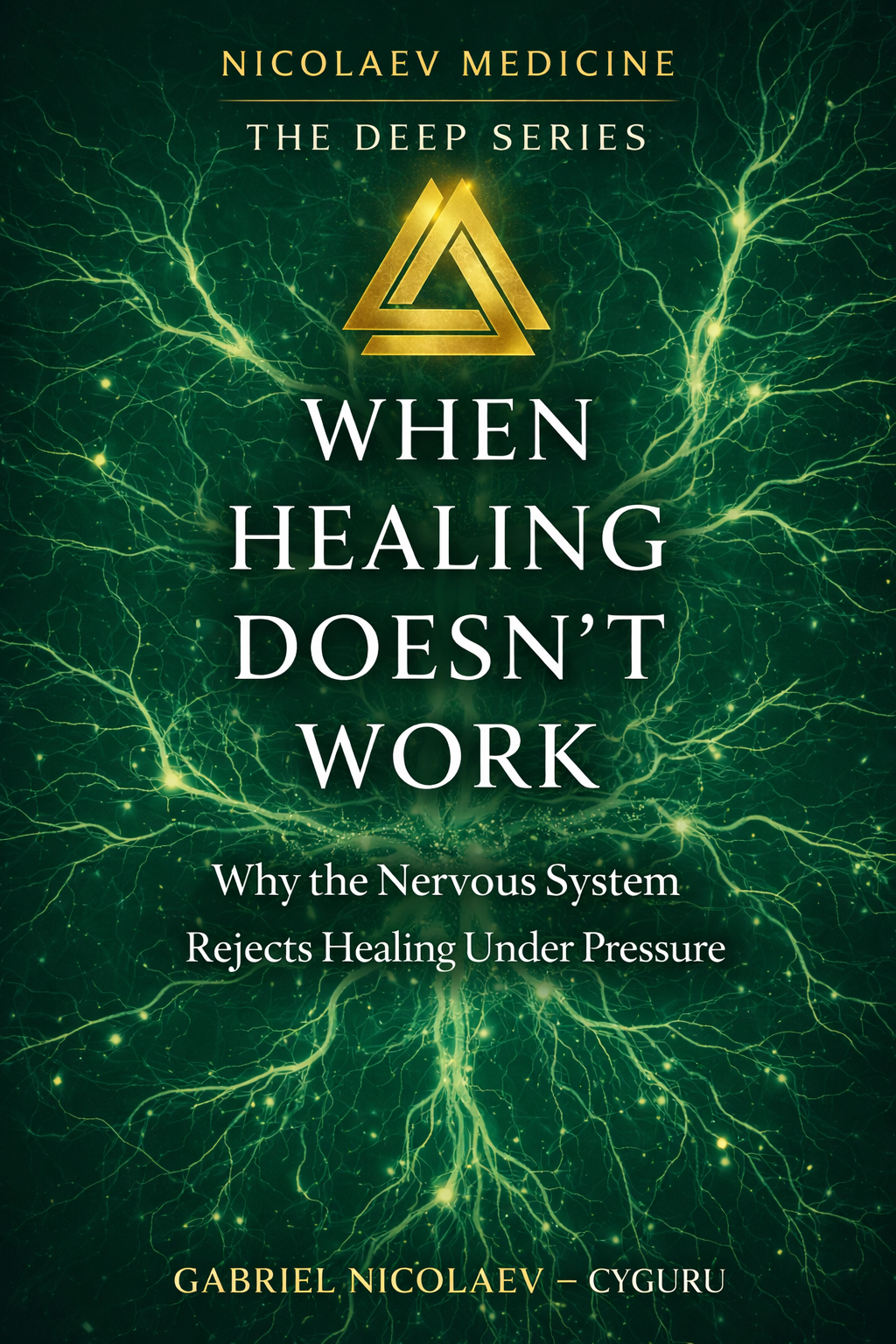
WHEN HEALING DOESN’T WORK discusses my author framework around pressure, timing and the experience of recovery. It is connected here to the human experience of pursuing care, not offered as an explanation for why cancer develops or progresses. The book recommendation is commercial and separate from the clinical references.
The most useful next step is often a short, well-prepared conversation: here is the product, here is the full formula, here is my treatment and here is the outcome I hope for. Ask whether there is evidence of benefit, a plausible interaction or a better established way to address the concern. Keep oncology treatment and the monitoring plan in place while those questions are answered.
Related reading
- Cancer-Related Fatigue: Supporting Capacity Without Blaming the Patient
- Inflammation and Cancer: A Biological Link Is Not a Treatment Plan
- Preserving Muscle During Cancer Care: Function, Food and Clinical Support
Author and medical note
Written by Gabriel Nicolaev – CyGuru. This article provides general educational information and is not an individual diagnosis or treatment plan. Consult a qualified clinician about persistent symptoms, medical conditions, pregnancy or medicine interactions. No independent medical review is claimed.
References
- National Cancer Institute. Cancer Therapy Interactions With Foods and Dietary Supplements (PDQ), patient version.
- Ambrosone CB et al. Dietary Supplement Use During Chemotherapy and Survival Outcomes of Patients With Breast Cancer Enrolled in SWOG S0221. Journal of Clinical Oncology. 2020.
- MEDICINAS. Onconovical: official composition and warnings.