
Mild describes the injury classification, not the experience
A concussion can disturb concentration, balance, sleep and confidence even when an injury initially seems minor. The word mild should not be used to dismiss those effects. It also should not lead a person to assume that every symptom after a head impact can safely be managed without assessment. The first task is to recognise the injury and obtain appropriate medical guidance.
I would separate immediate safety from the longer recovery process. Someone who is medically stable may still need adjustments at work or home. Someone who is deteriorating needs reassessment, even if an earlier conversation was reassuring. A useful recovery plan explains both what to do next and what should change the plan.
Know the symptoms that cannot wait
After a head injury, a worsening headache, repeated vomiting, a seizure, new weakness, slurred speech, increasing confusion or difficulty waking are reasons for emergency medical care. These are not signs to observe casually while trying a supplement or a breathing exercise. CDC guidance also highlights unusual behaviour and unequal pupils among danger signs. [1]
Family members and colleagues can be important observers because the injured person may not recognise the change clearly. Write down the medical instructions and make sure someone understands when to seek help. If there is uncertainty about the seriousness of a new symptom, use urgent clinical advice rather than relying on the label concussion to explain everything.
Early rest does not mean indefinite withdrawal
CDC guidance describes a short initial period of rest followed by an easing back into ordinary activity. After one or two days, light activity such as a short walk may be appropriate, with the amount reduced if symptoms worsen. This is a general recovery principle, not permission to return to a hazardous job, drive or play contact sport without advice. [2]
The distinction is between sensible protection and prolonged removal from all normal life. Reading, screens, conversation and movement can each be adjusted to tolerance. A person may need shorter periods, quieter surroundings or breaks. The aim is not to force symptoms away through effort, but to rebuild participation while avoiding another injury.
Return to work is a set of decisions
A job can involve very different demands: prolonged screen use, heavy machinery, driving, heights, noise, shift work or responsibility for others. Being able to manage one does not establish readiness for all the others. Ask the treating clinician for written guidance that addresses the actual duties.
Useful temporary changes might include shorter sessions, fewer competing tasks or additional rest breaks. These are practical accommodations, not declarations of permanent incapacity. Agree on a review point and a way to report worsening symptoms. A staged plan is easier to follow when the employer understands which restriction protects safety and which adjustment simply improves tolerance.
A symptom diary should answer a question
A short record can identify that a particular activity repeatedly brings on dizziness or headache. It can also reveal how much an individual has been trying to do before symptoms intensify. That information may help the clinician adjust the plan. A record that requires constant checking can become another burden, so keep it proportionate.
Do not use symptoms alone to make a personal return-to-sport decision. The risk of another head injury is a separate issue from feeling better during a quiet afternoon. The relevant medical or sporting protocol should govern the return. Recovery is not a competition with a standard number of days that everyone is expected to beat.
Persistent symptoms call for a more specific assessment
CDC advises discussing symptoms that do not resolve within two to three weeks or worsen on returning to normal activity. Some people recover more slowly, and some experience symptoms for much longer. That is a reason to reassess the pattern, not to assume that nothing can be done. [2]
Headache, sleep disturbance, neck pain, balance problems and mood symptoms may require different approaches. A broad explanation about nervous-system overload should not prevent examination of those narrower contributors. Anxiety about symptoms can coexist with genuine physical difficulty; recognising one does not invalidate the other. Treatment should respond to the person’s actual limitations rather than making reassurance or caution the only available tools.
Avoid turning recovery into a supplement experiment
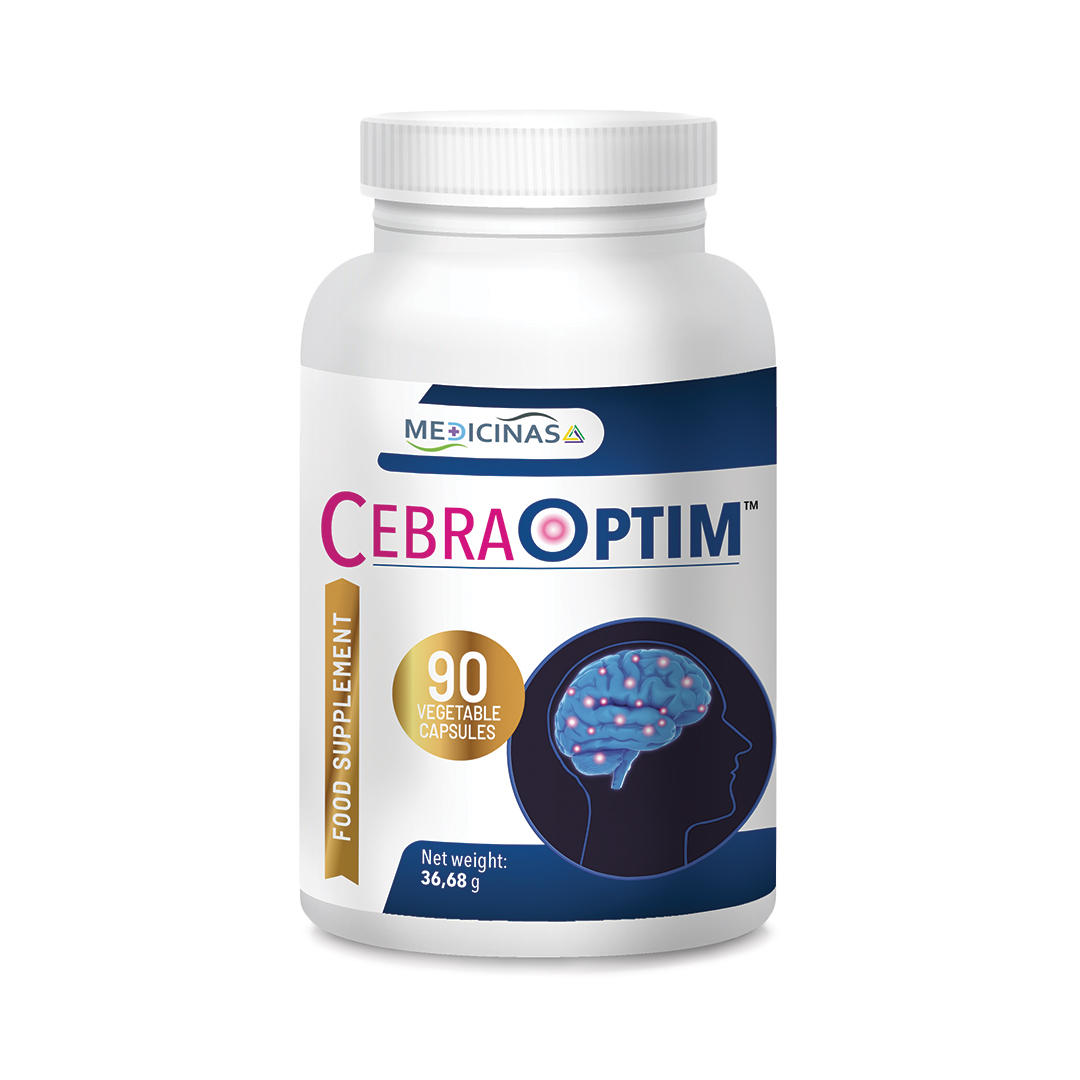
A product marketed for brain health does not automatically become a concussion treatment. Cebraoptim’s official ingredient list is linked below so it can be reviewed with a clinician or pharmacist. The combined formula is not established here as a way to shorten concussion recovery. The label advises specialist consultation and excludes pregnancy, breastfeeding and allergy to its components.
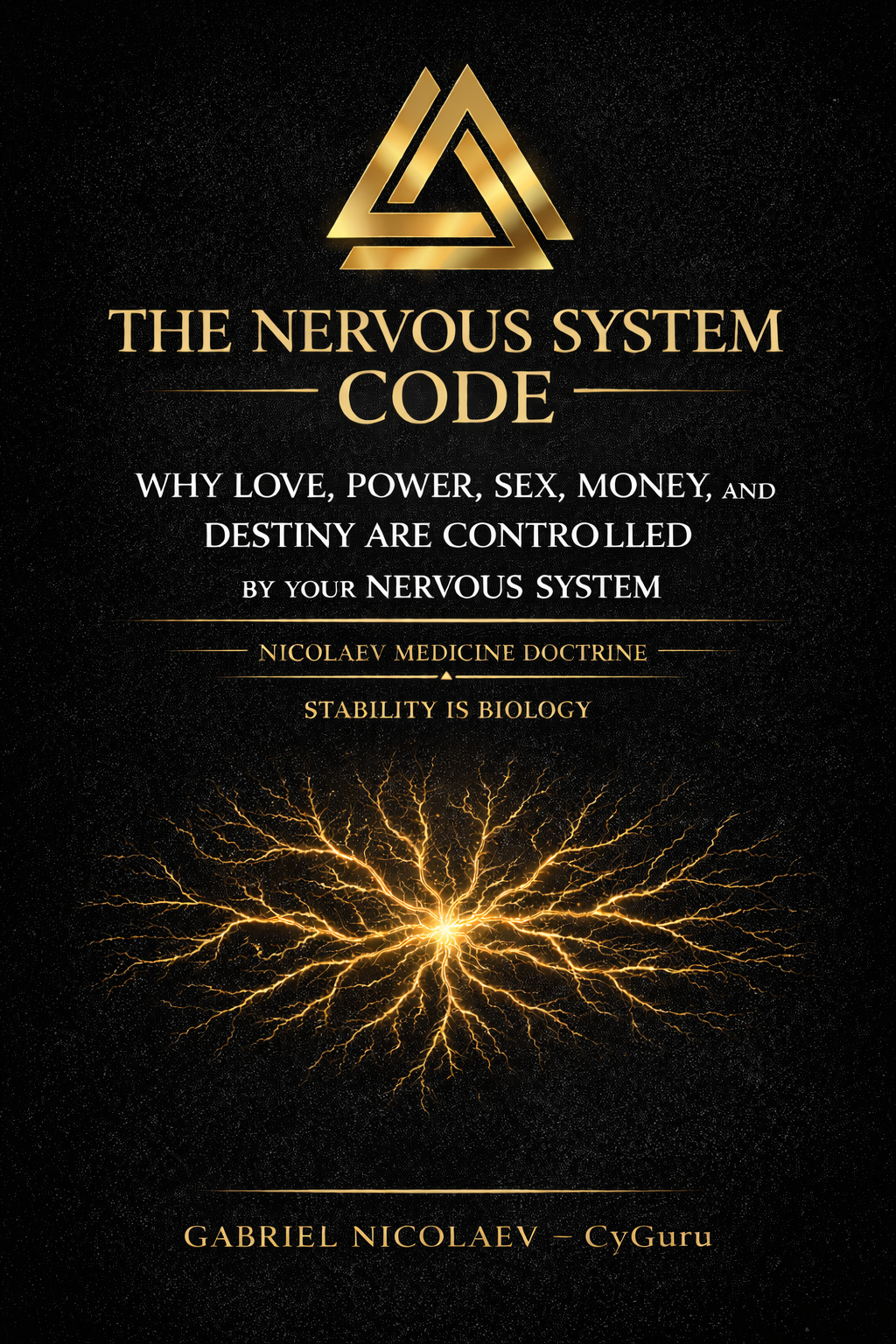
The Nervous System Code is offered as related author reading about regulation and behaviour. It is separate from the clinical sources for injury management. My practical conclusion is to keep the recovery plan concrete: know the danger signs, protect against another injury, follow an appropriate progression and seek reassessment when the course is not improving. No commercial product or philosophical framework should displace those decisions.
Related reading
- Sleep Apnea and Concentration: When Brain Fog Begins at Night
- Migraine Aura: Recognising the Pattern Without Missing an Emergency
- Recovery Without Force: A Nicolaev Medicine Perspective on Pacing
Author and medical note
Written by Gabriel Nicolaev – CyGuru. This article provides general educational information and is not an individual diagnosis or treatment plan. Consult a qualified clinician about persistent symptoms, medical conditions, pregnancy or medicine interactions. No independent medical review is claimed.