Repair is a coordinated process
Cellular regeneration is often discussed as though it were a switch that could be activated by one food, supplement or mental state. A healing wound offers a more concrete way to understand the subject. Different cells perform different tasks over time, and the result depends on the conditions around them. The body’s capacity for repair is substantial, but it is neither unlimited nor independent of circulation, infection and physical stress.
My preference is to begin with a visible biological problem rather than a promise. Is the wound closing? Is the surrounding tissue healthy? Is it repeatedly being injured? These questions connect an impressive idea such as regeneration to outcomes that can actually be assessed.
The stages overlap rather than follow a perfect timetable
Wound healing involves stopping bleeding, an inflammatory response, the formation of new tissue and later remodelling. These processes overlap. They should not be treated as a calendar in which every wound must reach the same stage on the same day. Depth, location, size and the person’s health all affect the course.
MedlinePlus describes the growth of new tissue and the longer process by which a scar changes. A scar is not identical to the original skin. Repair may restore a protective barrier without recreating every feature of the tissue that was lost. That distinction is useful when evaluating claims about complete cellular renewal: closure and perfect regeneration are different outcomes. [1]
Blood supply changes what cells can do
Tissue needs an adequate supply of oxygen and nutrients. If circulation is impaired, applying a product to the surface cannot by itself solve the underlying limitation. A wound that fails to improve may need assessment of vascular health as well as local care.
This is especially important in diabetes, where nerve damage may reduce awareness of injury and circulation problems can complicate healing. A painless wound is not necessarily a harmless wound. Someone may continue walking on an injured area because it does not hurt, repeatedly loading tissue that needs protection. NIDDK explains why daily observation and early attention to foot problems matter in diabetes. [2]
Inflammation is not automatically the enemy
The early repair response includes inflammatory activity. Its presence does not mean that all inflammation must be suppressed to allow healing. Equally, a wound that remains inflamed, deteriorates or develops signs of infection should not be excused as going through a necessary detoxification phase.
Increasing redness, spreading warmth, swelling, pus, fever or worsening pain warrant medical advice. With diabetes, reduced sensation can make pain an unreliable warning. New discolouration, a wound that is not improving or a foot that becomes unusually hot or swollen deserves prompt professional attention. The correct response is assessment of the cause, not a stronger claim that discomfort proves regeneration is underway.
Local care is part of the biology
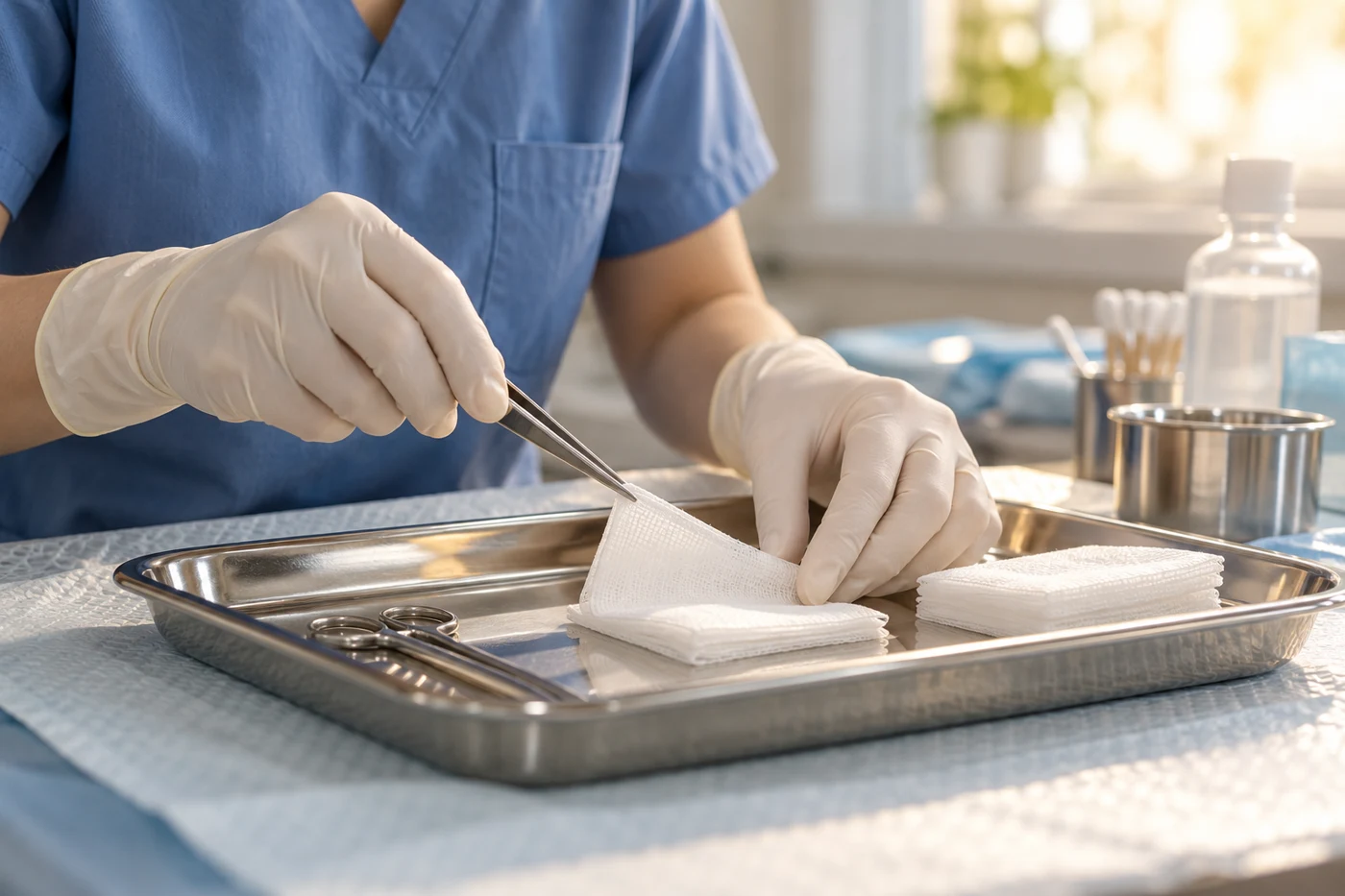
Cleaning, covering and protecting a wound can sound less sophisticated than a discussion of stem cells or cellular signalling. Yet the local environment is one of the ways the biology is supported. MedlinePlus recommends appropriate cleaning and covering of minor wounds, while major or surgical wounds should follow the treating team’s instructions. [1]
Repeated picking, friction or pressure can disrupt progress. In some wounds, professional pressure relief or offloading is central to the plan. Do not apply concentrated essential oils, herbal powders or food-based preparations to a wound because they are described as natural. A substance that is acceptable as food is not automatically sterile or suitable for damaged tissue.
Nutrition should correct a need rather than create a fantasy
Repair requires adequate energy and the materials from which tissue can be built. If someone is eating poorly, losing weight or unable to manage meals, that practical problem deserves attention. A dietitian can help assess adequacy and individual restrictions, including those related to kidney disease or other medical conditions.
A nutrient’s role in a biological process does not prove that extra amounts improve healing when intake is already sufficient. Nor does a blend of antioxidants establish a treatment for a chronic wound. The most useful questions are whether a deficiency exists, whether it has been assessed properly and whether the proposed intervention addresses it safely. Supplement use should not become a substitute for eating enough or receiving wound care.
Keep self-healing as a question with boundaries
The Code of Self-Healing is linked as my broader author perspective on repair and human experience. Its discussion of energy, frequency and consciousness should be read separately from the established clinical evidence on wound healing. A person should never be told that a wound persists because their beliefs or emotions are wrong.
There is no verified Medicinas product in this article that can be recommended as a wound-healing treatment. The neutral catalogue link below allows readers to inspect the range without implying that a purchase is required for regeneration. The practical priority remains specific: identify barriers, follow a wound-care plan, protect the tissue and obtain timely assessment. Biological potential becomes useful when the conditions for repair are addressed in the real world.
Related reading
- Protein Across the Day: A Practical Question for Healthy Ageing
- Peripheral Neuropathy: Why Tingling Feet Need a Cause, Not a Guess
- Resistance Training for Healthy Ageing: Build Useful Strength
Author and medical note
Written by Gabriel Nicolaev – CyGuru. This article provides general educational information and is not an individual diagnosis or treatment plan. Consult a qualified clinician about persistent symptoms, medical conditions, pregnancy or medicine interactions. No independent medical review is claimed.