
When a marketing advantage changes the safety question
Improved absorption sounds like an uncomplicated advantage. If a substance is poorly absorbed, a formulation that delivers more of it seems intuitively superior. Yet this reasoning leaves out the purpose of the intervention, the strength of the evidence and the consequences of changing exposure. Turmeric and curcumin products demonstrate why bioavailability should be treated as a pharmacological feature to evaluate, not an automatic measure of quality or suitability.
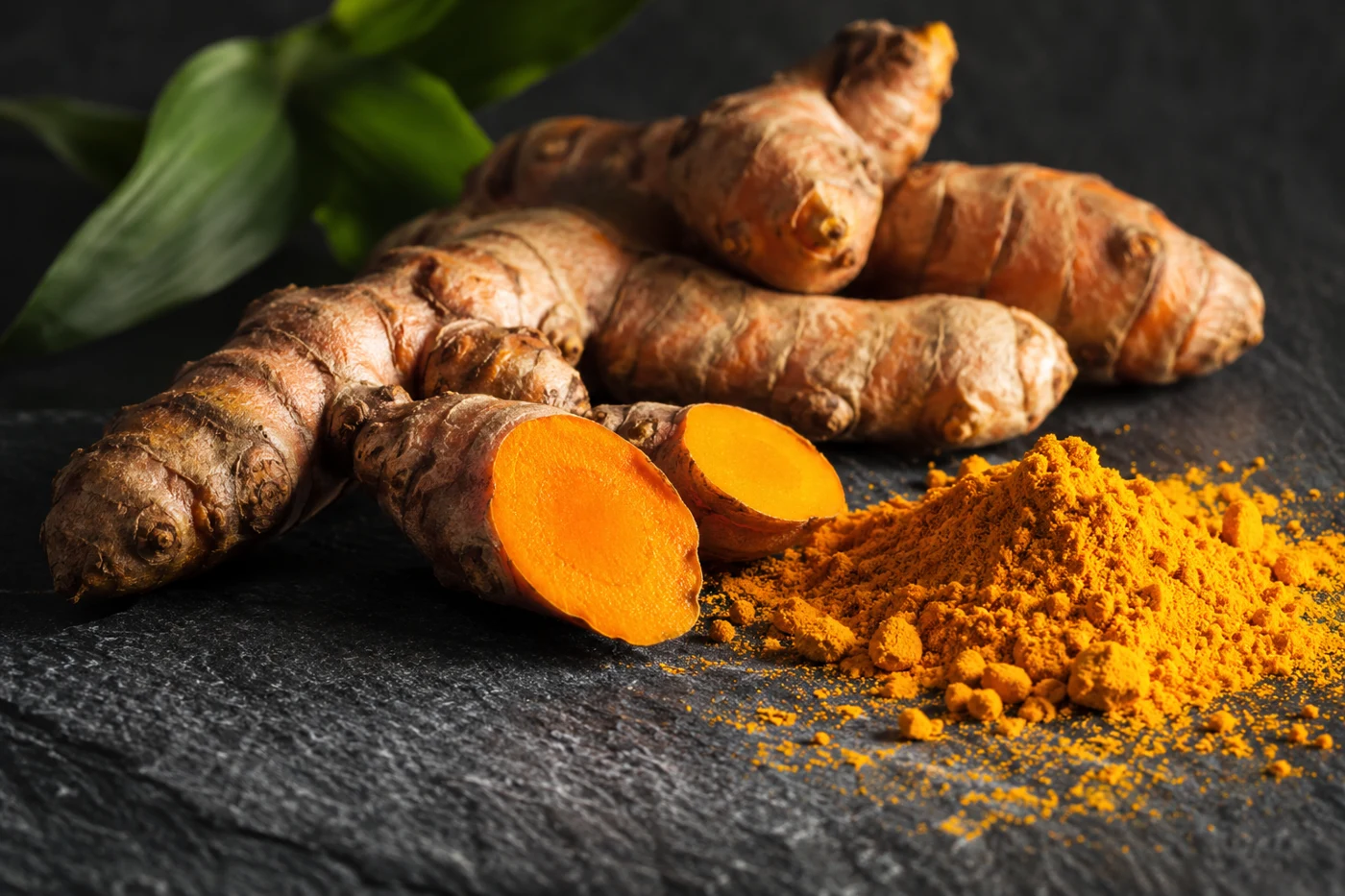
The starting distinction is between using turmeric as a culinary ingredient and taking a concentrated supplement. Both may relate to Curcuma longa, but the name alone does not describe the preparation. Extract concentration, other ingredients and technologies intended to increase absorption can alter what is being compared. An article or product label that moves freely between ordinary spice use and a high-exposure formulation may create the appearance of continuity while skipping an important change in the decision.
Evidence: promising observations do not settle the clinical question
NCCIH reports considerable research interest in turmeric and curcumin but concludes that available evidence does not support definitive claims of benefit for health purposes overall. It describes initial positive findings in some osteoarthritis outcomes while emphasising the need for stronger research and the difficulty of comparing preparations. This is a reason to identify a specific research question rather than using the broad label anti-inflammatory as if it were a complete clinical outcome.
The usefulness of an intervention depends on what it changes for the person: symptoms, function, a validated measurement or another meaningful outcome. A laboratory effect cannot answer all of those questions. Even a positive clinical study may apply to a particular preparation, comparator and population. The correct response is not to dismiss the research, but to keep the claim at the level that the study can support. Interest in a mechanism should lead to a better question, not to a promise that one ingredient is suitable across unrelated conditions.
What liver-injury reports contribute
A Drug-Induced Liver Injury Network case series described ten adjudicated cases in which turmeric products were implicated. The report included serious outcomes, and analysed available products and genetic associations. It supplies a clinically important safety signal: a supplement commonly perceived as familiar can be associated with potentially severe liver injury. It does not provide a denominator that tells a shopper the absolute risk per capsule or per user.
That distinction matters in both directions. The absence of a population risk estimate does not justify ignoring a serious signal. At the same time, a case series should not be used to claim that every person consuming turmeric as food will experience the same problem. Sound interpretation asks what kind of evidence is being presented and what decisions it can support. Here, it supports attention to formulation, symptoms, medicine review and transparent reporting of supplement exposure.
Bioavailability is part of the formulation, not a clinical guarantee
Some curcumin preparations include piperine from black pepper, and NCCIH discusses this as one way to increase bioavailability. Other products advertise different delivery technologies. The relevant question is not simply whether a manufacturer has increased absorption, but whether the benefits and safety of that particular formulation have been adequately assessed for the intended use. More exposure can change the balance of benefit and harm rather than moving it in only one direction.
A label should therefore be read as a description of an intervention. Note the amount of curcumin or extract, additional constituents and claims about enhanced absorption. If a study concerns a conventional preparation, do not assume its findings transfer without qualification to a substantially different product. Conversely, safety reports involving concentrated products do not establish an identical risk from every culinary use. Preparation-specific reasoning is essential precisely because the same plant name can appear in different contexts.
Practical implications: make supplement exposure part of a symptom history
NCCIH advises stopping turmeric or curcumin products and contacting a health professional when symptoms suggesting liver injury occur, including dark urine, jaundice, poor appetite, nausea or fatigue. These symptoms are not specific enough for a person to diagnose the cause online. Their importance is that they warrant assessment, with the actual product brought into the history rather than omitted because it was purchased as a supplement.
Keep the packaging and an accurate account of when the product was started, how it was used and whether other preparations changed around the same time. A list of all medicines, supplements and herbal mixtures is more useful than a single remembered ingredient. Do not try to confirm causation by restarting a suspected product or by adding another preparation marketed for liver cleansing. A clinical assessment can consider competing explanations and the information needed to make the next decision safely.
Read a combination as a combination
A supplement may contain turmeric alongside several plants, minerals or other compounds. The presence of an ingredient with published research does not establish the safety or effectiveness of the final mixture. Nor does a small amount of each ingredient automatically resolve interaction or susceptibility questions. What matters is the complete formulation and the context in which it will be used.
This principle is particularly important during cancer care or when several prescription medicines are involved. A claimed antioxidant or anti-inflammatory action is not, by itself, a reason to combine a supplement with treatment. Bring the full label to the treating team or pharmacist and ask them to evaluate it within the actual plan. The journal's guide to cancer and supplement interactions explores why a treatment decision includes substances added without a prescription as well as those prescribed in the clinic.
Food traditions, personal frameworks and clinical evidence
Turmeric's place in food and traditional practices can be discussed respectfully without converting that history into proof of a modern concentrated preparation's clinical benefit. A reflective framework about food, recovery or self-care can help someone examine habits and expectations. It cannot determine whether a liver problem is present or establish that a commercial extract treats a disease.
The most useful educational approach keeps these forms of knowledge in conversation while maintaining their boundaries. Ask what belongs to culinary practice, what belongs to a hypothesis, what has been tested in people and what requires individual medical judgment. This avoids the false choice between accepting every claim because an ingredient is traditional and rejecting every tradition because not every claim has been demonstrated. Precision permits curiosity without demanding credulity.
Limits and unanswered questions
Researchers still need better information about the frequency of adverse events, susceptibility, formulation differences and the balance of meaningful benefits and harms in defined populations. Case reports and case series are valuable for recognising possible problems, but they cannot answer every risk question. Commercial popularity and improved absorption do not fill those gaps.
For the reader, the defensible conclusion is to separate the spice from the supplement, the ingredient from the mixture, and a mechanism from a demonstrated outcome. Review the actual formulation, do not treat enhanced absorption as a safety certificate, and seek assessment for concerning symptoms. That approach does not promise the absence of risk. It makes the uncertainty visible enough for a more informed conversation and a more proportionate decision.
Related reading
- Cancer and Supplements: Make the Interaction Review Part of Treatment
- Megaliv Ingredients: Understanding a Multi-Herb Formula Before Buying
- St John’s Wort: Why a Medication Review Comes Before the Herb
Author and medical note
Written by Gabriel Nicolaev – CyGuru. This article provides general educational information, not an individual diagnosis or treatment plan. Discuss persistent symptoms, medical conditions and medicine or supplement interactions with a qualified clinician. No independent medical review is claimed.