
Timing can make movement easier to use
A recommendation to exercise more can be too vague to change a day. Linking a short walk to a meal gives the activity a place in the routine: the meal ends, the shoes are ready and the next action is already decided. This behavioural advantage is separate from the physiological question of whether timing affects the glucose response.
For a person with type 2 diabetes, both questions matter. An activity has to be safe enough to perform and practical enough to repeat. I would begin with the person’s usual day, their mobility and their treatment rather than treating a research schedule as a universal prescription.
What a walking study can show
Reynolds and colleagues compared advice to walk after meals with advice for a daily walk that did not specify the same timing. In a randomised crossover study of people with type 2 diabetes, post-meal advice improved the measured postprandial glucose response. The finding supports timing as a potentially useful part of an activity plan. [1]
It does not establish that every individual needs the same number of minutes, that one missed walk is dangerous or that walking replaces medication. The study examined particular participants and outcomes over a limited period. Longer-term health, functional ability and adherence still need to be considered alongside a short-term glucose measure.
The result is not identical across every setting
Other research has examined walking before and after meals, or compared continuous activity with interruptions to sitting. A small study by Colberg and colleagues found a more favourable dinner glucose response after walking than before dinner or with no exercise. [2]
In a separate free-living crossover study, walking and activity breaks attenuated the breakfast glucose response, but did not show the same effect after every meal. [3] This is a useful reminder that daily context matters. Food composition, activity intensity, medicines and what happened earlier in the day can all influence what a particular pattern looks like. A simple habit can still be worthwhile without producing an identical graph every time.
Start from a safe baseline
An adult who is accustomed to walking may be able to discuss a modest post-meal routine with the diabetes team. Someone with marked breathlessness, chest discomfort, dizziness, limited mobility or a recent change in health needs a more individual assessment. New chest pain or severe symptoms during activity call for urgent medical attention, not an attempt to complete a target.
Foot health also matters. Loss of sensation can make a blister or pressure injury easy to miss. An active foot wound may require offloading rather than more walking. Appropriate footwear and attention to the feet belong inside the exercise conversation. For some people, an alternative form of movement may be more suitable, guided by the treating team.
Medicines can change the glucose risk
Physical activity may lower blood glucose, and insulin or sulfonylureas can increase the risk of hypoglycaemia. NIDDK advises discussing how food, medicines and activity work together. The person may need an agreed monitoring and treatment plan, but should not adjust doses solely from a general article. [4]
Ask what symptoms to recognise, when to check glucose and what to carry. Shakiness, sweating, confusion or unusual weakness during a walk should not be dismissed as normal effort. Follow the individual hypoglycaemia plan. If the person is confused, unable to swallow safely or severely unwell, emergency assistance may be needed. Safety is part of making the habit sustainable.
Make the smallest useful change visible
Choose a repeatable starting point rather than a perfect schedule. For example, an agreed short walk after a familiar meal may be easier to maintain than a large new exercise programme introduced all at once. Keep the route accessible and consider weather, balance and the availability of a companion.
The outcome need not be reduced to a glucose score. Greater consistency, improved confidence or less prolonged sitting can also be meaningful. If using a glucose sensor, avoid chasing every rise with more exercise. A meal response is influenced by many factors, and an individual target should be interpreted with the clinical team. The plan should support living with diabetes rather than turn the day into continuous correction.
Keep commercial reading and product links in their proper role
The Eating Code is offered as related reading on meal patterns and the author’s metabolic perspective. It is not the source for the walking trials or an instruction to change diabetes medicines. Research evidence and author interpretation are identified separately so the reader can judge each appropriately.
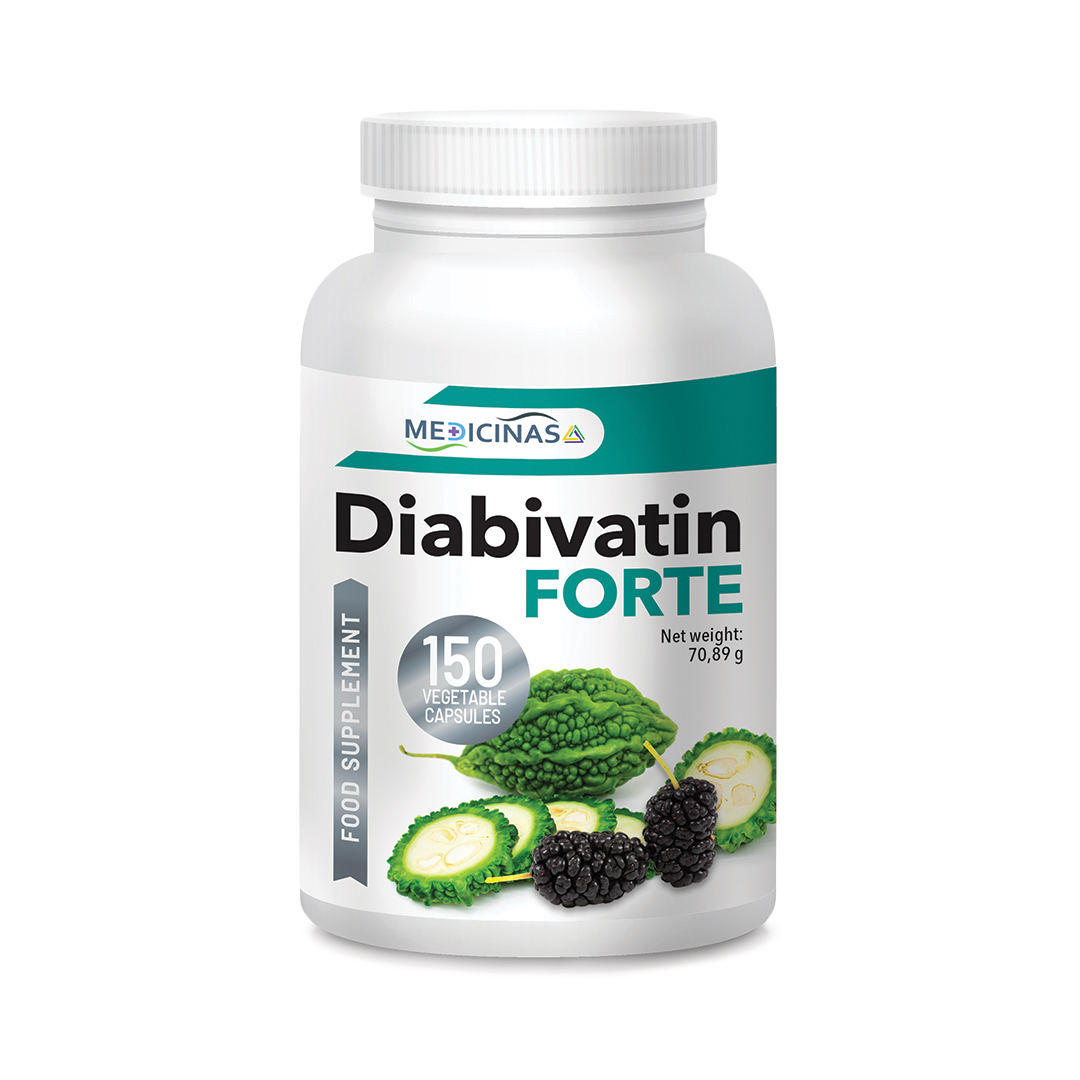
Diabivatin Forte is linked for ingredient and label review. The official label explicitly warns against simultaneous consumption with hypoglycaemic medication. Do not stop prescribed medicines to add the product, and do not combine it with a new activity routine without resolving safety questions with the diabetes team. A supplement is not required to obtain the ordinary benefits of appropriate movement.
The strongest practical plan is therefore ordinary and specific: choose an activity you can do, fit it into a reliable part of the day, protect your feet and agree on glucose safety when relevant. The value comes from a workable pattern, not from making every meal the beginning of another performance test.
Related reading
- Type 2 Diabetes Remission: A Clinical Milestone, Not a Permanent Cure
- When HbA1c Does Not Match Glucose: Understanding the Limits
- Resistance Training for Healthy Ageing: Build Useful Strength
Author and medical note
Written by Gabriel Nicolaev – CyGuru. This article provides general educational information and is not an individual diagnosis or treatment plan. Consult a qualified clinician about persistent symptoms, medical conditions, pregnancy or medicine interactions. No independent medical review is claimed.
References
- Reynolds AN et al. Advice to walk after meals is more effective for lowering postprandial glycaemia in type 2 diabetes mellitus than advice that does not specify timing. Diabetologia. 2016.
- Colberg SR et al. Postprandial walking is better for lowering the glycemic effect of dinner than pre-dinner exercise. 2009.
- Managing free-living hyperglycemia with exercise or interrupted sitting in type 2 diabetes. 2019.
- NIDDK. Healthy Living with Diabetes.
- MEDICINAS. Diabivatin Forte: official label.