
Choose a definition before celebrating a result
A lower glucose reading can be encouraging, but it does not by itself establish remission. The word has a specific clinical meaning. The international consensus report proposes an HbA1c below 6.5 percent, maintained for at least three months without usual glucose-lowering medication, as the main criterion, with alternatives when HbA1c is unreliable. [1]
This is a framework for documenting a state, not an instruction to stop medicines in order to qualify. Medication changes must be supervised. A person whose glucose is well managed with treatment has achieved something valuable even if the formal remission definition does not apply. The label should serve care, not become a reason to take unnecessary risks.
What the DiRECT trial contributes
DiRECT studied a structured, primary-care-led weight-management programme in a selected group of people with relatively recent type 2 diabetes. At one year, remission occurred more often in the intervention group than in the control group. The intervention included professional support and a defined programme; it was not a trial of a supplement or a simple instruction to eat less. [2]
Eligibility and the design matter. The findings cannot be applied automatically to type 1 diabetes, pregnancy, advanced disease or every person with type 2 diabetes. They also do not mean that everyone who follows a programme will reach remission. The study shows that remission is possible for some people under particular conditions, not that failure to reach it represents a lack of effort.
Why remission is different from cure
The tendency towards high glucose can return. Weight change, illness, medicines, ageing and changes in pancreatic function can affect the course. Continued follow-up is therefore part of remission rather than evidence that the achievement was not real.
The consensus report emphasises ongoing observation. A normal-looking result does not erase previous exposure to high glucose or remove the need to monitor for complications. Eye, kidney, foot and cardiovascular care should continue according to the clinical plan. A person should not leave the diabetes system simply because one result improves, especially when other risk factors remain.
Medication decisions belong to the treatment plan
A programme that changes food intake substantially may require early medication adjustment to avoid hypoglycaemia. Insulin and some other diabetes medicines can create particular risks when intake or activity changes. These decisions need a clinician who knows the regimen and can arrange monitoring.
Do not stop treatment because a book, product advertisement or personal success story describes diabetes as reversible. Some medicines may also be prescribed for cardiovascular or kidney protection, so the reason for continuing them can extend beyond a single glucose measure. Ask what each medicine is for, what would justify a change and which symptoms or readings should trigger contact with the team.
Build a pattern that can survive ordinary life
A useful nutrition plan has to account for work, family meals, budget, culture, appetite and medical restrictions. An impressive short intervention is not enough if its follow-up leaves someone confused about how to eat. Support for maintaining change is part of the intervention, not an optional extra.
Discuss realistic activity, sleep and meal patterns alongside the food plan. Avoid prolonged unsupervised fasting, especially with glucose-lowering medicines, pregnancy, a history of eating disorders or other conditions that affect nutritional safety. A sustainable plan may need to be revised as circumstances change. That is ongoing disease management, not evidence that the original effort was wasted.
Treat a supplement label as a safety document
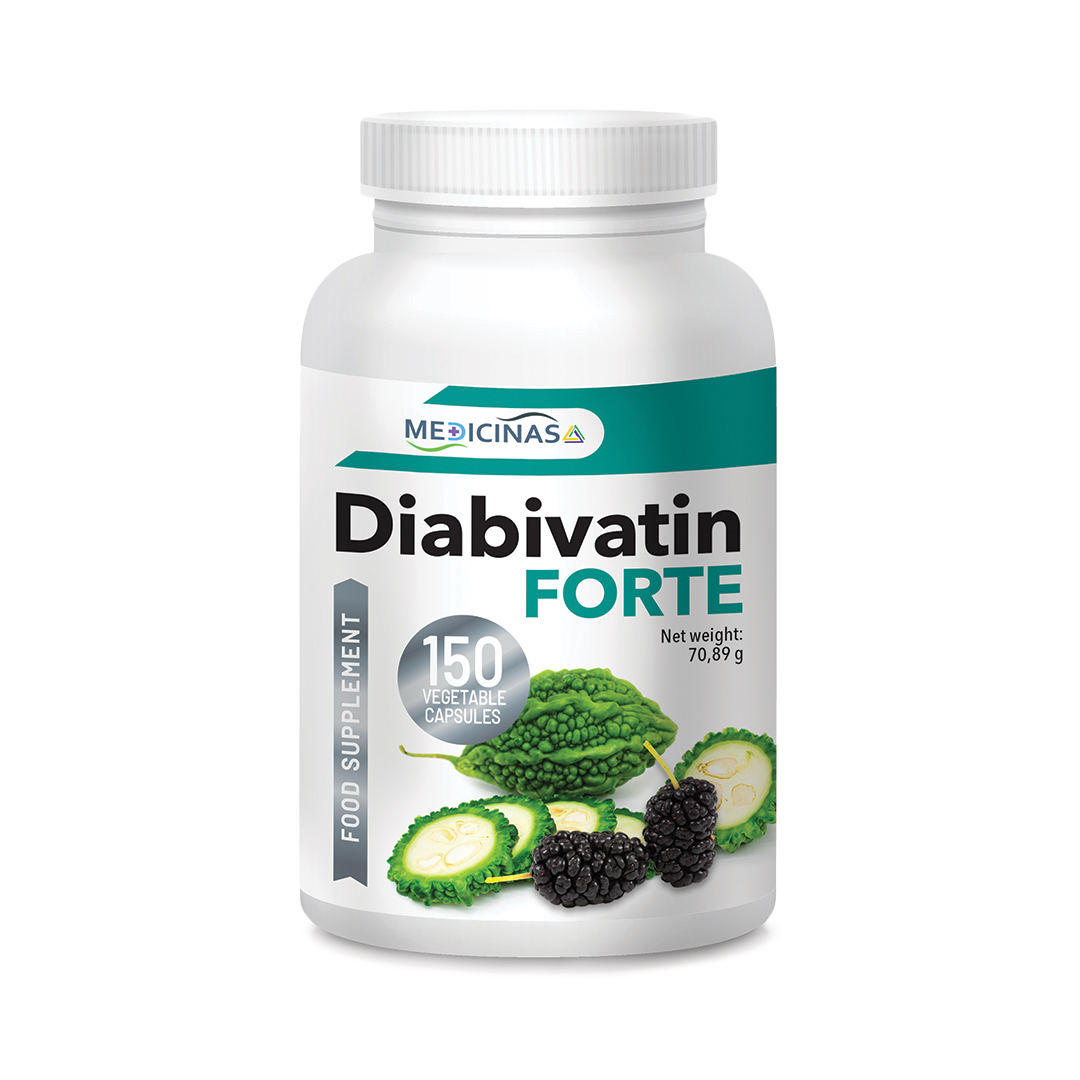
Diabivatin Forte is a Medicinas product containing chokeberry, blueberry, white mulberry, bean pod, reishi and bitter cucumber ingredients. The official page is linked below for label review. Its composition does not establish that the product causes diabetes remission, and retailer descriptions are not substitutes for clinical trial evidence.
The product’s own warning says not to consume it simultaneously with hypoglycaemic medication. It also excludes pregnancy, breastfeeding and ingredient allergy and advises specialist consultation. Do not interpret that warning as a reason to withdraw prescribed treatment. If you are considering the product, take the label to the diabetes clinician or pharmacist and resolve compatibility first.
Read remission without turning it into a verdict
The Eating Code is connected to this topic through its discussion of food frequency, meal patterns and the author’s interpretation of metabolism. The official book description contains a framework, not a personalised diabetes plan. Its claims about eating or fasting should be distinguished from the clinical evidence and from an individual’s medicine and nutrition requirements.
The right question is not whether someone has earned the title cured. It is whether glucose, health and daily function are improving safely, and whether the plan can be maintained. Remission can be a meaningful milestone. Good care also includes people who do not reach it, who need medicines or whose glucose rises again. They deserve reassessment and support rather than blame.
Related reading
- When HbA1c Does Not Match Glucose: Understanding the Limits
- Time-Restricted Eating: Separate the Clock from the Calorie Deficit
- Ultra-Processed Foods: Read the Pattern, Not Just the Label
Author and medical note
Written by Gabriel Nicolaev – CyGuru. This article provides general educational information and is not an individual diagnosis or treatment plan. Consult a qualified clinician about persistent symptoms, medical conditions, pregnancy or medicine interactions. No independent medical review is claimed.
References
- Riddle MC et al. Consensus Report: Definition and Interpretation of Remission in Type 2 Diabetes. Diabetes Care. 2021.
- Lean MEJ et al. Primary care-led weight management for remission of type 2 diabetes (DiRECT): an open-label, cluster-randomised trial. Lancet. 2018.
- MEDICINAS. Diabivatin Forte: official composition and warnings.