
Metabolic Health & Nutrition
Explore diabetes monitoring, remission, meal timing, nutrition, movement and cardiovascular risk in context.
Metabolic health becomes easier to discuss when measurements, habits and treatment decisions are kept connected. These articles explore what a test can show, how a study was conducted and why an everyday habit still needs an individual context. They do not provide a personal medication or fasting plan.
Find your starting point ↓
Start here. Build your understanding.
Three starting points, each opening a different part of the subject.
When HbA1c Does Not Match Glucose: Understanding the Limits
Begin with what HbA1c represents and why it may not agree with another glucose measurement.
Start reading →Type 2 Diabetes Remission: A Clinical Milestone, Not a Permanent Cure
Explore the meaning of remission, continued monitoring and the limits of a permanent-cure narrative.
Start reading →Walking After Meals: A Useful Diabetes Habit with Individual Safety Limits
Read about post-meal movement alongside medicine, glucose and foot-health considerations.
Start reading →The metabolic health & nutrition collection

An Irregular Pulse: How Atrial Fibrillation Is Investigated
Evidence-informed health guideUnderstand the steps between an irregular pulse, an ECG diagnosis and a personal plan for symptoms and stroke-risk assessment.
Read the article →
Blood Pressure Beyond the Clinic: White-Coat and Masked Patterns
Evidence-informed health guideExplore why clinic and everyday blood-pressure readings can disagree, what ambulatory monitoring adds and how to make the record interpretable.
Read the article →
High Triglycerides: Look for the Contributors Before Chasing a Number
Evidence-informed health guideUnderstand how triglycerides relate to meals, alcohol, medicines and metabolic health, and why markedly elevated results need a different response.
Read the article →Type 2 Diabetes Remission: A Clinical Milestone, Not a Permanent Cure
Evidence-informed health guideUnderstand what remission means, what DiRECT did and did not show, and why glucose monitoring and complication checks continue after improvement.
Read the article →
Walking After Meals: A Useful Diabetes Habit with Individual Safety Limits
Evidence-informed health guideLearn what post-meal walking studies show, how to fit movement into daily life, and why medicines, foot health and glucose safety change the plan.
Read the article →
Protein Across the Day: A Practical Question for Healthy Ageing
Author health analysisWhy total protein, meal patterns and muscle loading deserve attention together, without turning each meal into a rigid numerical test.
Read the article →
Ultra-Processed Foods: Read the Pattern, Not Just the Label
Author health analysisHow processing, food structure, nutrient quality and practical access fit together when interpreting ultra-processed food research.
Read the article →
Meal Timing and Circadian Metabolism: The Clock Is Part of the Context
Author health analysisWhat controlled studies reveal about eating time, why clock time is not biological time, and how to interpret the findings without rigid rules.
Read the article →
Time-Restricted Eating: Separate the Clock from the Calorie Deficit
Author health analysisA careful look at what time-restricted eating trials compare, why adherence matters, and when a shorter eating window can be the wrong tool.
Read the article →
Fasting and Autophagy: Human Evidence Beyond the Countdown
Author health analysisWhy autophagy is not an on-off timer, what recent human research actually measured, and why safety must come before fasting ambitions.
Read the article →
Home Blood Pressure Monitoring: Make the Measurement Useful
Evidence-informed health guideLearn how cuff fit, posture, timing and a consistent record make home blood pressure readings more useful for clinical decisions.
Read the article →
LDL Cholesterol and ApoB: Two Different Questions About Risk
Evidence-informed health guideUnderstand why LDL cholesterol and apolipoprotein B can disagree, and how clinicians use both within a broader cardiovascular risk assessment.
Read the article →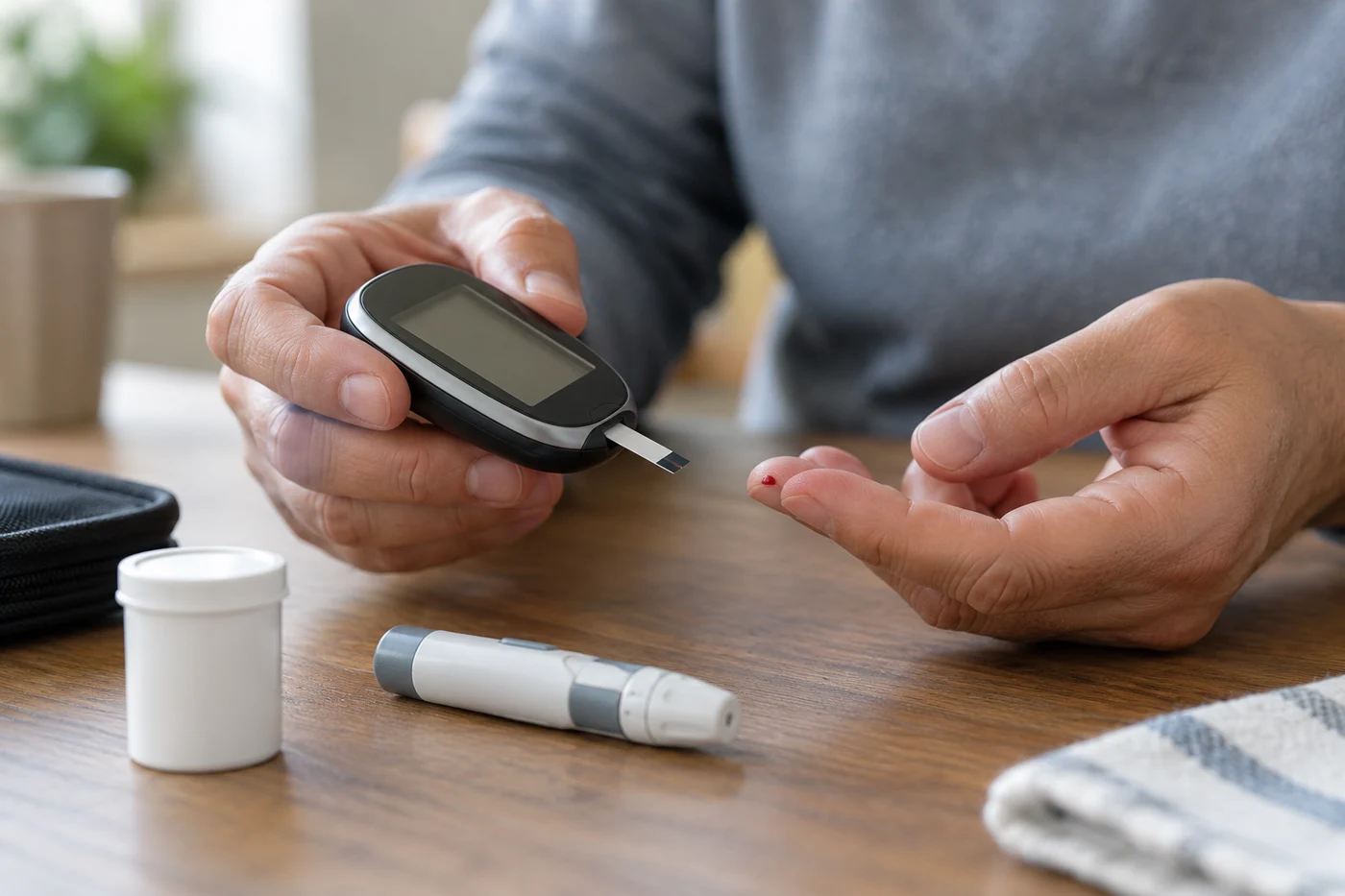
When HbA1c Does Not Match Glucose: Understanding the Limits
Evidence-informed health guideHbA1c is useful, but red blood cell changes and laboratory factors can distort it. Learn what to discuss when results do not match glucose readings.
Read the article →
Resistance Training for Healthy Ageing: Build Useful Strength
Evidence-informed health guideA practical guide to strength training in later life: movement choices, gradual progression, recovery and the difference between muscle size and function.
Read the article →Keep the strength of the evidence in view.
Clinical findings, emerging research and named author frameworks answer different questions. Read the references and medical notes in each article. Books and commercial product links are separate from evidence of clinical effectiveness. Our editorial approach →
Continue with the author.
Related author perspectives, selected from the official bookstore. A reading link is not a clinical recommendation.

Read the label. Ask the right questions.
The Diabivatin Forte manufacturer warns against taking it together with blood-glucose-lowering medication. Do not stop prescribed medicine to use a supplement. Review the current label with your diabetes clinician or pharmacist first.
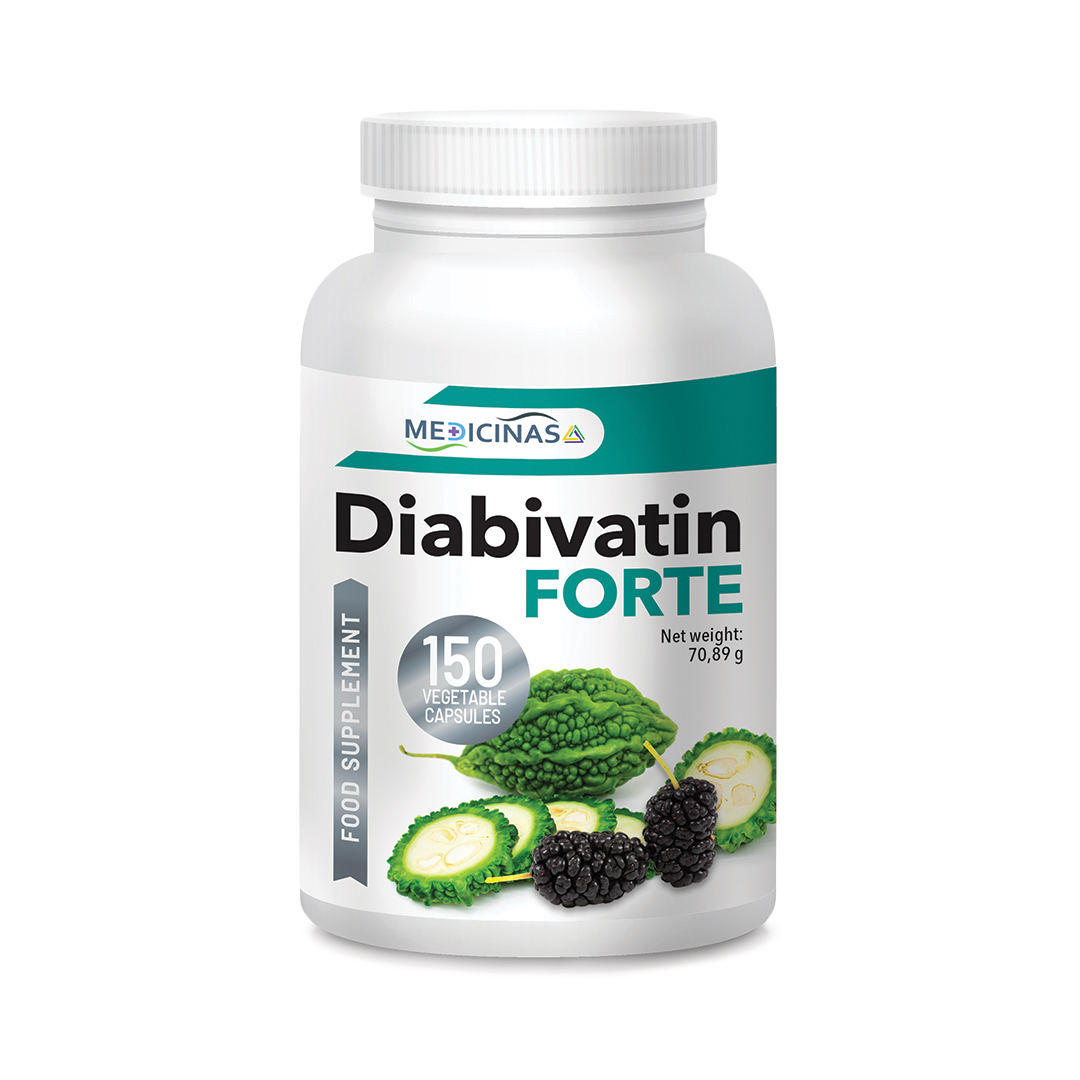
Diabivatin Forte
150 capsules · Review the complete ingredients, current precautions, price and availability on the official product page.
View official product information ↗